Children learn best when reading feels enjoyable rather than forced. A good book can introduce new ideas, strengthen language skills, and help young readers develop a lasting relationship with their mother tongue. For families who want their children to read more Urdu, choosing books that are engaging, accessible, and written specifically for younger readers can make a real difference.
Urdu has a rich tradition of storytelling, poetry, and children’s literature. Yet many parents today find it difficult to choose suitable Urdu reading material for their children. They may want something beyond textbooks—something that children can pick up in their free time and enjoy.
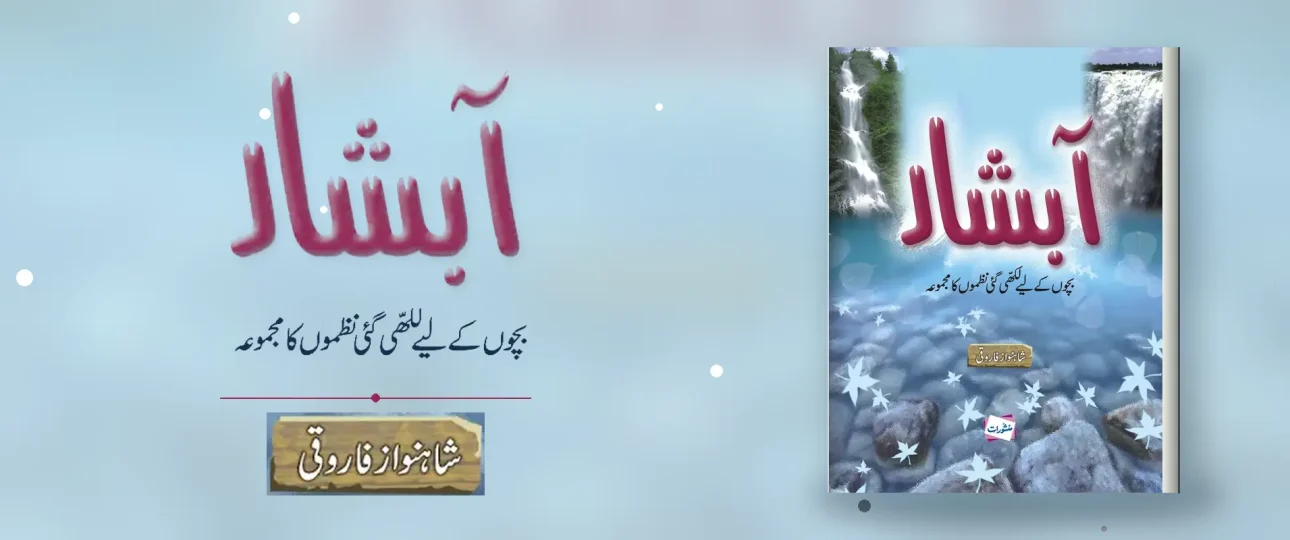
This is where dedicated children’s literature becomes valuable. Aabshaar by Shahnawaz Farooqui is one such title listed in the children’s books collection by Manshurat. It provides parents and young readers with an opportunity to explore Urdu literature in a format designed for younger audiences.
Why Urdu Reading Still Matters for Children
Language develops through regular exposure. When children read stories, poems, and age-appropriate books, they encounter vocabulary in context rather than simply memorizing individual words.
Urdu reading can also help children become more comfortable with the script. Regular reading allows them to recognize words more quickly, understand sentence patterns, and gradually improve their comprehension.
For parents, Urdu books for kids can therefore serve several purposes at once. They can provide entertainment while also encouraging children to spend time with Urdu outside their schoolwork.
A physical book also gives children a different experience from watching videos or scrolling through a screen. They can turn pages at their own pace, return to sections they enjoy, and gradually build a personal reading habit.
Choosing an Urdu Children’s Book for Young Readers
Not every Urdu book suits every child. Parents usually consider the child’s age, reading ability, interests, vocabulary level, and attention span before choosing a title.
A children’s book should feel approachable. If the language or subject feels too difficult, a young reader may lose interest quickly. On the other hand, when a book matches the child’s reading level, it can encourage independent reading.
An Urdu children’s book can become particularly useful when parents make reading part of the child’s everyday routine. Even a few pages at a time can introduce new vocabulary and encourage children to spend more time with the language.
What Is Aabshaar?
Aabshaar is a children’s title by Shahnawaz Farooqui, listed by Manshurat in its Children Books category. The publisher’s product information lists the book at 80 pages and identifies its ISBN as 9789696332695.
The title is part of a broader collection of children’s literature associated with Shahnawaz Farooqui. Manshurat’s children’s book listings also include other titles by the author, including Sacha Pakistani, Badshah Ka Naya Libas, Sher Ko Zinda Karne Wale, and Ehsan Faramosh Aadmi.
Aabshaar by Shahnawaz Farooqui and the Value of Urdu Literature
The author is an important consideration when parents select children’s books. Shahnawaz Farooqui has several titles listed in Manshurat’s children’s collection, showing that children’s literature represents an established part of the author’s published work.
For young readers, exposure to different Urdu books can help make reading a regular part of everyday life. One title may introduce a child to a particular style, while another can expose them to different subjects, vocabulary, or ways of presenting ideas.
This is why parents should think about building a small collection rather than searching for one perfect book. A varied bookshelf gives children the freedom to discover what they enjoy.
How Parents Can Make Aabshaar More Enjoyable
Buying a book is only the first step. The way parents introduce reading can influence whether children continue with it.
Here are a few simple ways to make reading more engaging:
1. Create a Regular Reading Time
Choose a convenient time during the day when your child can read without distractions. It could be after school, before bedtime, or during a relaxed weekend afternoon.
The goal is consistency rather than reading a large number of pages at once.
2. Let Children Read at Their Own Pace
Some children read quickly, while others need more time with unfamiliar Urdu words. Avoid turning every reading session into a test.
Give children time to understand what they are reading.
3. Discuss the Reading
After a few pages, ask simple questions about what the child read. Encourage them to explain ideas in their own words.
This turns reading into a conversation rather than a homework assignment.
4. Explain Difficult Words Naturally
If your child encounters an unfamiliar word, explain it using a simple example. Avoid interrupting every sentence to provide definitions.
The objective is to improve understanding while keeping the reading experience enjoyable.
5. Build a Small Urdu Bookshelf
One book can lead to another. Once children become comfortable with one title, introduce other age-appropriate Urdu books.
Over time, a small collection can become a familiar part of the child’s room and daily routine.
Who May Consider Aabshaar?
A book’s suitability ultimately depends on the individual child, including their reading ability and interests. However, Aabshaar may be worth considering for parents who are specifically looking to add Urdu children’s literature to their home collection.
It can also be relevant for families who want children to spend more time reading Urdu outside their regular school curriculum.
Parents searching for Urdu books for kids often have a simple goal: they want children to read Urdu willingly. Selecting books that feel approachable and enjoyable can help support that goal.
The book may also work well as part of a broader Urdu reading collection rather than being treated as a standalone educational resource.
Why Physical Books Can Encourage Better Reading Habits
Children today have access to an enormous amount of digital content. While digital resources can be useful, physical books offer a different kind of reading experience.
A physical book gives children something tangible to hold and explore. There are no notifications competing for attention, and the child can focus on the pages in front of them.
For parents trying to encourage reading at home, keeping children’s books easily accessible can help. When a book is visible and available, children are more likely to pick it up during their free time.
An Urdu book can also serve as a simple reminder that Urdu belongs not only in classrooms but also in everyday entertainment and family life.
Adding Aabshaar to Your Child’s Reading Collection
If you are looking for an Urdu title specifically for younger readers, Aabshaar by Shahnawaz Farooqui is a title you can explore as part of a children’s Urdu book collection.
The official product listing provides the basic book information, including its author, 80-page length, and ISBN.
You can explore Aabshaar and its product details here before deciding whether it fits your child’s reading needs.
Rather than choosing a children’s book only because it contains an educational message, consider whether it can become something your child actually wants to read. Enjoyment plays an important role in developing long-term reading habits.
Building a Lifelong Love for Urdu Reading
Children do not develop strong reading habits overnight. It usually happens through repeated exposure to books that match their interests and abilities.
For some children, the journey begins with short stories. For others, poetry, illustrated books, or simple narratives may provide the motivation they need. What matters is giving them opportunities to explore.
Titles such as Aabshaar can become part of that journey. By introducing children to Urdu literature outside their textbooks, parents can create a home environment where reading feels like a normal and enjoyable activity.
A child’s bookshelf does not need to be large. A few carefully selected Urdu books can provide plenty of opportunities for reading, discussion, and discovery.
Final Thoughts
Finding quality reading material for children can take some effort, particularly for parents who want their children to maintain a connection with Urdu. The right book should feel accessible, enjoyable, and appropriate for the child’s reading stage.
Aabshaar by Shahnawaz Farooqui is a children’s title listed by Manshurat, with 80 pages and a dedicated place in the publisher’s Children Books collection.
For families exploring Urdu books for kids, it can be considered alongside other children’s titles as part of a broader home reading collection. The best approach is to give children time to explore, allow them to read at their own pace, and make books a regular part of everyday life.
A good Urdu book can do more than occupy a child for an afternoon. It can help make the language familiar, encourage curiosity, and gradually turn reading into a habit that stays with them.