A sincere dua can change the way a person looks at life. It is not simply a request made when we need something. It can become a quiet conversation with Allah, a way to express weakness, gratitude, hope, fear, and longing. For many Muslims, the moments spent making dua are among the most personal moments of their spiritual lives.
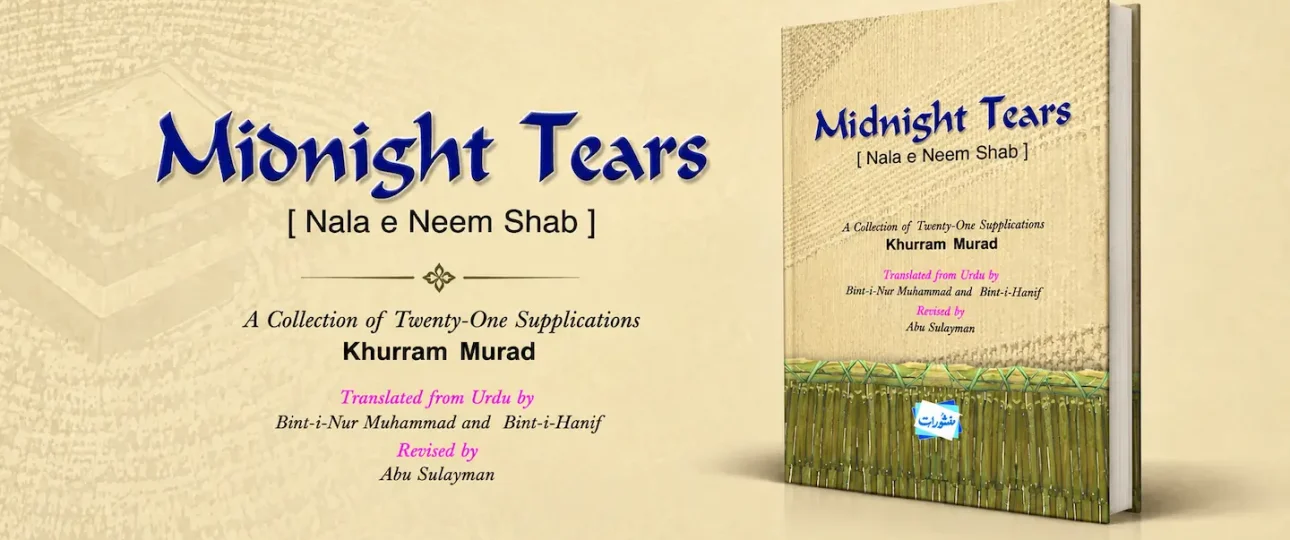
This deeper understanding of prayer is central to the work of Khurram Murad, who explored the emotional and spiritual dimensions of dua in a collection originally published under the title Dua-e-Ramadan.
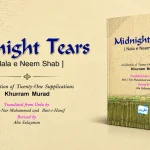
The book later received a new name: Midnight Tears.
Why did that happen? Was the book only about Ramadan? What does the name Midnight Tears mean? And why did Khurram Murad feel that the new title represented the book better?
The answer lies in the nature of the supplications themselves and in the way Khurram Murad understood dua.
What Was Dua-e-Ramadan?
Dua-e-Ramadan was the original title of a collection of heartfelt supplications associated with the spiritual life of a believer. The title connected the book strongly with Ramadan, a month in which Muslims naturally devote more time to worship, reflection, repentance, and dua.
However, the prayers in the collection were not limited to Ramadan.
That distinction matters.
A title can shape a reader’s first impression of a book. When people see the words “Dua-e-Ramadan,” they may reasonably assume that the book contains prayers specifically intended for Ramadan or that its usefulness is mainly connected with the month.
But the collection reaches beyond that limited understanding.
The supplications collected in the book speak to emotions and needs that a believer can experience throughout the year. A person may turn to Allah when seeking guidance, struggling with weakness, asking for forgiveness, expressing gratitude, or simply longing to become closer to the Creator.
For that reason, the original title did not fully communicate the wider purpose of the collection.
Why Was Dua-e-Ramadan Renamed Midnight Tears?
The book was later renamed Midnight Tears, a name personally chosen by Khurram Murad for later editions.
The reason was closely connected with the impression created by the original title.
Dua-e-Ramadan could make readers think that the prayers belonged specifically to Ramadan. Yet the collection was not confined to that month. Its supplications were relevant to a believer’s spiritual journey throughout the year.
Khurram Murad therefore chose a title that could better express the emotional and spiritual character of the book.
Midnight Tears carry a very different feeling.
It does not point to one particular month. Instead, it evokes the image of a believer turning to Allah in a quiet moment, away from the distractions of everyday life, and expressing the deepest needs of the heart.
The new title therefore captures something that the original title could not fully communicate: dua is not restricted to a season. It is part of a believer’s relationship with Allah.
What Does “Midnight Tears” Mean?
The title Midnight Tears is powerful because it connects prayer with an intimate emotional experience.
Khurram Murad described prayer as the cry of thirst and need that rises from the depths of the heart. In his introduction to the work, he presented dua as something much deeper than simply speaking words.
For him, sincere prayer involves the whole person.
- The tongue speaks.
- The heart longs.
- The eyes may shed tears.
- The believer stands before Allah with humility and need.
This understanding gives the title Midnight Tears its emotional depth. Midnight represents those quiet hours when the world becomes still and a person can turn inward. Tears represent sincerity, vulnerability, repentance, longing, and a heart that seeks its Creator.
The title therefore reflects the spirit of the collection rather than simply describing its subject.
How Khurram Murad Understood the Power of Dua
One of the most meaningful aspects of Dua-e-Ramadan by Khurram Murad is its understanding of prayer as a means of spiritual transformation.
Many people think of dua mainly as asking Allah for something. While asking is certainly part of supplication, sincere dua can do much more.
- It can remind a person of their dependence on Allah.
- It can soften the heart.
- It can create humility.
- It can renew hope after disappointment.
- It can encourage a person to examine their intentions and actions.
- It can also strengthen the desire to live a life that pleases Allah.
This is why the collection is not simply a list of prayers to read at particular moments. Its deeper value lies in encouraging the reader to understand what happens inside the heart when a person turns sincerely toward Allah.
Khurram Murad’s introduction presents prayer as a source of knowledge, inspiration, and longing for Allah. That perspective helps explain why the book needed a title that reflected the emotional character of its supplications.
Why the Book Is Not Limited to Ramadan
The connection between Dua-e-Ramadan and Midnight Tears becomes clearer when we look at the needs of everyday life.
Ramadan may create a special atmosphere for worship, but the need for Allah does not disappear when Ramadan ends.
- A believer can need guidance in January just as much as in Ramadan.
- A person can seek forgiveness at any time.
- Someone facing hardship can turn to Allah on any day.
- A believer can feel grateful, hopeful, afraid, confused, or spiritually distant throughout the year.
These experiences are not seasonal.
That is one reason the new title Midnight Tears better represents the wider relevance of the collection. It moves the reader’s attention away from a particular month and toward a continuing relationship between the servant and the Creator.
The book can therefore serve as a source of reflection beyond Ramadan.
What Makes the Supplications in Midnight Tears Special?
The collection brings together supplications taught by the Prophet Muhammad ﷺ and presents them with a strong sense of warmth, humility, yearning, and devotion.
These qualities make the prayers meaningful even when a reader approaches them outside a specific occasion.
A good collection of duain does more than provide words to recite. It can also teach a person how to approach Allah.
For example, a sincere supplication can remind us that:
- We are dependent on Allah.
- We should approach Him with humility.
- We should recognize our weaknesses.
- We should maintain hope in His mercy.
- We should seek guidance rather than relying only on our own understanding.
- We should keep our relationship with Allah alive in both difficult and peaceful moments.
This is where the spiritual value of Midnight Tears by Khurram Murad becomes especially clear.
The book encourages the reader to see dua as part of a meaningful spiritual life rather than as something reserved for emergencies.
Why the Name Change Matters
At first, changing the title of a book may seem like a small editorial decision. In this case, however, the change communicates an important idea.
The title Dua-e-Ramadan emphasizes a time.
The title Midnight Tears emphasizes an experience.
The first title naturally brings Ramadan to mind. The second suggests the emotional depth of standing before Allah with a heart full of need and longing.
That difference changes how a reader approaches the book.
Someone searching for Ramadan-related material may see Dua-e-Ramadan and expect a collection specifically designed for that month. Someone encountering Midnight Tears may immediately sense that the book deals with a deeper and more personal dimension of prayer.
The new title therefore gives the collection a broader identity without changing the spiritual nature of its contents.
The Deeper Message Behind Midnight Tears
There is also a wider lesson behind the name.
Modern life often leaves very little room for silence. People move between work, family responsibilities, phones, social media, and countless daily distractions. In that environment, quiet reflection can become difficult.
Yet spiritual growth often requires moments when a person stops, reflects, and turns sincerely toward Allah.
A tear shed in prayer is not valuable simply because a person cries. Its significance comes from what lies behind it—the recognition of one’s weakness, the desire for Allah’s mercy, the hope for guidance, and the longing to come closer to Him.
This is the emotional world that Midnight Tears seeks to evoke.
Can You Read Midnight Tears Outside Ramadan?
Yes.
The original connection with Ramadan should not lead readers to think that the collection has value only during Ramadan. The very reason for the change from Dua-e-Ramadan to Midnight Tears was to avoid that narrow impression.
The supplications can be approached as part of a believer’s wider spiritual routine.
You might read them during a quiet evening, after salah, while reflecting on a personal difficulty, or during a moment when you simply want to reconnect with Allah.
Who Can Benefit From Midnight Tears?
Midnight Tears can appeal to readers who want to deepen their understanding of dua and develop a more reflective approach to prayer.
It may be particularly meaningful for:
- Readers looking for heartfelt Islamic supplications.
- Muslims who want to strengthen their relationship with Allah.
- Readers interested in the spiritual writings of Khurram Murad.
- People looking for a thoughtful Islamic book for personal reflection.
- Anyone who wants to make dua a more meaningful part of everyday life.
- Readers who discovered the book through its original title, Dua-e-Ramadan, and want to
- understand why it is now known as Midnight Tears.
The collection can also make a thoughtful Islamic gift because its message is not restricted to a particular season.
From Dua-e-Ramadan to Midnight Tears
The journey from Dua-e-Ramadan to Midnight Tears is ultimately more than a change of name.
It reflects a clearer understanding of what the collection represents.
The original title connected the book with Ramadan, but that connection could make the scope of the supplications seem narrower than it really was. For later editions, Khurram Murad chose the name Midnight Tears, giving the book a title that better reflected its emotional and spiritual character. Today, Manshurat continues to make Khurram Murad’s writings accessible to readers seeking meaningful Islamic literature.
The new name points toward the quiet moments in which a believer turns to Allah with humility, longing, and need.
That is why the story behind the title is worth understanding
Whether you first encountered the collection as Dua-e-Ramadan or discovered it under the name Midnight Tears, its central message remains deeply relevant: sincere dua can reshape the heart, renew one’s relationship with Allah, and become an important part of everyday spiritual life.