Introduction
Justice is essential for building a society where people can live with dignity, trust, and security. When individuals receive their rights and are treated fairly, relationships become stronger and communities can function more peacefully. Justice in Islam is a fundamental principle that guides personal behaviour, social relationships, and public responsibilities. Islamic teachings emphasise fairness, honesty, accountability, and protection against oppression, regardless of a person’s wealth or social position. The Quran and Sunnah provide guidance on making fair decisions and fulfilling the rights of others. These principles show that justice is not limited to courts or legal matters; it is also reflected in everyday actions, family relationships, business dealings, and the responsibilities people carry toward society.
What Is Justice in Islam?
Justice in Islam means treating people fairly, fulfilling their rightful claims, and avoiding oppression or discrimination. The Arabic word Adl is associated with justice, fairness, and balance. Islamic justice requires individuals to make decisions according to truth and ethical principles rather than personal interests, emotions, or social connections.
This responsibility applies in every area of life. A person should not favour a relative in a dispute simply because of their relationship, nor should someone receive unfair treatment because they have limited wealth or influence. Similarly, employers must respect workers’ rights, business owners should deal honestly with customers, and leaders must exercise their authority responsibly.
Islam also teaches that justice involves recognising one’s own mistakes and correcting unfair behaviour. It is not enough to demand fairness from others while ignoring personal responsibilities. Islamic justice therefore combines individual integrity with respect for the rights of other people, helping establish a foundation for peaceful relationships and a responsible society.
Importance of Justice in Islam
The importance of justice in Islam lies in its ability to protect human dignity, strengthen relationships, and prevent wrongdoing. A society cannot maintain lasting trust when people believe that wealth, influence, or personal connections determine whose rights are respected. Fair treatment encourages people to trust one another and strengthens confidence in families, businesses, and public institutions.
Justice also promotes accountability. People who hold positions of authority must understand that their decisions affect others and that power should never become a means of exploitation. When individuals accept responsibility for their actions, admit mistakes, and fulfil their obligations, they contribute to a more ethical environment.
Another important aspect is the protection of vulnerable people. Those who lack financial resources or social influence should not be denied their rights or opportunities to seek a fair resolution. Islamic principles encourage believers to oppose oppression and support people facing unfair treatment.
Justice also improves everyday relationships. Fairness between parents and children, employers and employees, and buyers and sellers reduces conflict and encourages mutual respect. By making justice part of personal conduct and collective responsibility, Muslims can help build communities where rights are protected and people are treated with dignity.
Islamic Teachings on Justice in the Quran and Sunnah
The Quran places strong emphasis on justice and makes it a responsibility for believers. In Surah An-Nahl (16:90), Allah commands justice and good conduct while prohibiting wrongdoing and oppression. This verse demonstrates that fairness is central to Islamic moral guidance.
Surah An-Nisa (4:135) further instructs believers to stand firmly for justice, even when the matter concerns themselves, their parents, or close relatives. This teaching challenges favouritism and reminds Muslims that personal relationships must not outweigh the truth. Similarly, Surah Al-Ma’idah (5:8) instructs believers not to let hostility toward others lead them away from justice. Together, these verses emphasise impartiality in both personal and social affairs.
The Sunnah also provides guidance on fairness and responsible conduct. The Prophet Muhammad ﷺ demonstrated the importance of fulfilling obligations, respecting people’s rights, and making decisions carefully. In Sahih al-Bukhari 7192, a narration reported by Abu Bakrah conveys the Prophet’s instruction that a judge should not make a decision between two people while angry. This guidance highlights the importance of sound judgement and avoiding emotions that may compromise fairness.
The Quran and authentic hadith therefore establish justice as more than an ideal. They guide Muslims to act honestly, judge fairly, and protect the rights of others, even when doing so requires personal sacrifice.
Justice and Equality in Islam
Justice and equality in Islam are closely related because both emphasise human dignity and protection against unfair treatment. Islam rejects favouritism based solely on wealth, family background, influence, or personal relationships. A person’s social position should not determine whether their rights are respected.
However, equality and justice are not always identical. Equal treatment means applying fair principles consistently, while justice also requires recognising legitimate rights, responsibilities, and relevant circumstances. For example, people performing different professional roles may have different responsibilities, but decisions concerning their rights should remain fair and free from discrimination.
The Quran’s guidance in Surah An-Nisa (4:135) reinforces this principle by calling believers to uphold justice even when it goes against their own interests or those of their relatives. This requires courage, honesty, and impartiality.
In practical life, justice and equality in Islam encourage fair opportunities, responsible leadership, honest business practices, and respectful relationships. They remind Muslims that fairness should not depend on whether someone is powerful, wealthy, familiar, or personally agreeable.
Social Justice in Islam and Its Role in Society
Social justice in Islam focuses on protecting people’s rights, fulfilling social responsibilities, and preventing exploitation. It encourages individuals and institutions to act ethically and consider how their decisions affect others. Islamic teachings promote charitable giving, including Zakat, support for vulnerable people, and responsible management of wealth.
Family relationships are an important starting point. Parents should treat their children fairly, spouses should respect each other’s rights, and family members should resolve disagreements without manipulation or oppression. These actions help establish fairness within the household and encourage responsible behaviour beyond it.
Business dealings also reflect social justice. Sellers should provide accurate information, employers should fulfil their obligations to workers, and customers should honour their agreements. Deception, exploitation, and withholding another person’s rightful payment undermine the principles of fairness encouraged by Islam.
At the wider social level, responsible institutions must apply rules fairly and protect people from the misuse of authority. Leaders should manage resources honestly, while individuals should speak against wrongdoing through appropriate and constructive means.
How Can Muslims Practise Justice in Everyday Life?
Muslims can practise Islamic justice through ordinary decisions and daily interactions. Applying these principles consistently helps translate religious teachings into meaningful actions.
- Be honest: Tell the truth and avoid misleading others in personal and professional dealings.
Fulfil commitments: Respect agreements, pay workers what they are owed, and meet your responsibilities on time. - Avoid favouritism: Make decisions according to fairness rather than personal relationships, wealth, or influence.
- Respect others’ rights: Treat family members, neighbours, employees, and customers with dignity.
- Accept responsibility: Admit mistakes, correct unfair decisions, and listen carefully when someone raises a legitimate concern.
These actions demonstrate that justice is not limited to judges, leaders, or public institutions. Every individual has opportunities to promote fairness through personal conduct. Small, consistent efforts can strengthen trust, reduce conflict, and contribute to a more responsible community.
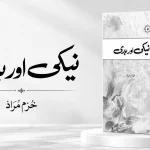
Adal O Insaf Ka Qayam by Khurram Murad
Understanding justice in Islam becomes more meaningful when readers examine how Islamic principles apply to society. Adal O Insaf Ka Qayam by Khurram Murad is an Urdu booklet relevant to readers interested in the establishment of justice and its place in Islamic thought.
Khurram Murad was a respected Islamic writer whose work addressed religious understanding and the practical responsibilities of Muslims.
For readers seeking a focused resource on the subject, Adal O Insaf Ka Qayam offers an opportunity to explore the topic through Islamic literature. Reading about justice can help individuals reflect on fairness, accountability, and their responsibilities toward others.
Manshurat also provides a wider selection of Islamic literature through its Booklets collection, where readers can browse concise publications on various subjects. Such resources can support further reading alongside the Quran, authentic hadith, and reliable Islamic scholarship.
Conclusion: Building a More Just Society
Justice in Islam provides guidance for building a society based on fairness, accountability, and respect for human dignity. Its principles apply to personal relationships, business dealings, family responsibilities, and public institutions. By avoiding favouritism, fulfilling obligations, and protecting the rights of others, Muslims can put these teachings into practice. Establishing justice begins with individual choices and grows through responsible collective action. Readers interested in exploring this subject further can read Adal O Insaf Ka Qayam by Khurram Murad, available through Manshurat.