Hajj and Qurbani are two important expressions of faith in Islam. They remind Muslims of the importance of obedience to Allah, patience, gratitude, and sincere devotion. While Hajj brings Muslims together in pilgrimage to Makkah, Qurbani commemorates the remarkable example of Prophet Ibrahim (AS) and his willingness to obey Allah’s command.
But what do these acts of worship teach us beyond their rituals? How can their lessons shape our daily lives, relationships, and responsibilities toward others?
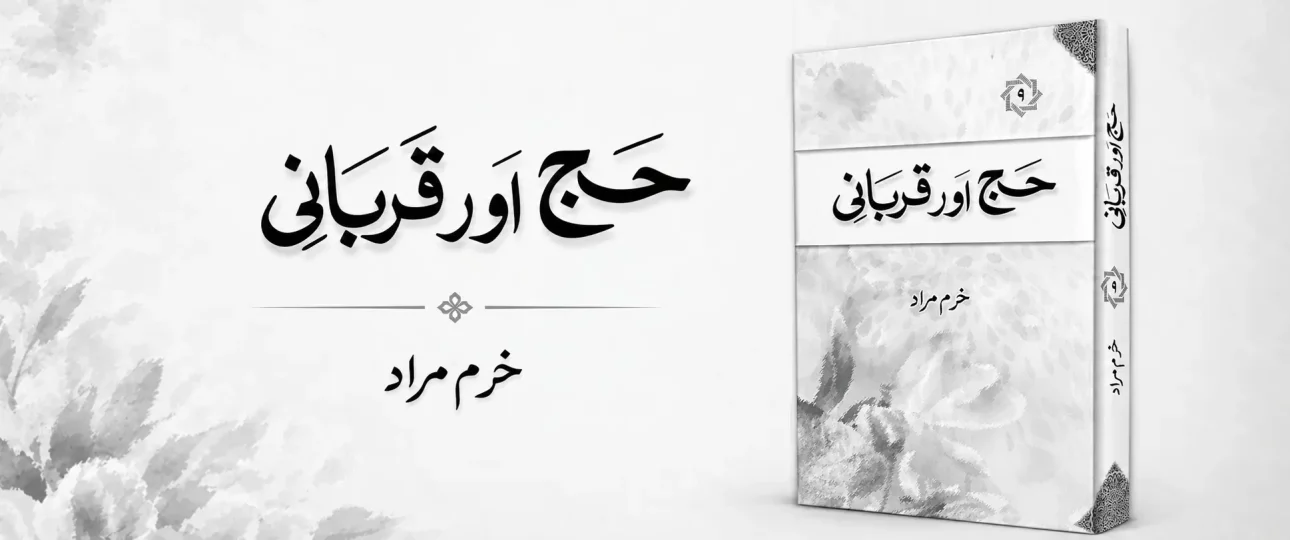
Understanding the significance of Hajj and Qurbani in Islam helps us appreciate their spiritual purpose. The book Hajj Aur Qurbani by Khurram Murad explores these themes, offering readers an opportunity to reflect on the meaning of pilgrimage, sacrifice, and conscious obedience to Allah.
What Are Hajj and Qurbani in Islam?
Hajj is the pilgrimage to Makkah that Muslims who meet the necessary conditions are required to perform once in their lifetime. It involves prescribed acts of worship during specific days of the Islamic calendar. Hajj teaches patience, humility, discipline, and unity among Muslims from different backgrounds.
Qurbani, also known as Udhiyah, is the ritual sacrifice of eligible livestock during the prescribed days of Eid ul Adha. It recalls the test of Prophet Ibrahim (AS), who demonstrated his willingness to submit to Allah’s command. Allah provided a substitute, and Muslims remember this event through Qurbani.
Although these practices differ, they share several important principles:
- Faith: Trusting Allah and following His guidance.
- Obedience: Putting Allah’s commands before personal desires.
- Patience: Remaining steadfast during challenges.
- Gratitude: Recognising blessings and using them responsibly.
- Compassion: Caring for others and sharing what Allah has provided.
These principles help explain why Hajj and Qurbani hold such a significant place in Muslim life.
Significance of Hajj in Islam
The significance of Hajj in Islam extends beyond the physical journey to Makkah. It offers Muslims an opportunity to renew their commitment to Allah, seek forgiveness, and reflect on their purpose in life.
1. Strengthening Faith and Obedience
Hajj requires preparation, commitment, and a willingness to follow prescribed rituals. Pilgrims leave their familiar surroundings and devote their time and energy to worship.
This journey reminds Muslims that faith involves more than belief alone. It also requires sincerity, responsible conduct, and a willingness to follow Allah’s guidance.
The Quran also teaches pilgrims to avoid inappropriate conduct and arguments during Hajj and reminds them that righteousness is the best provision for the journey. You can read this guidance in Surah Al-Baqarah, verse 197.
2. Promoting Equality and Unity
During Hajj, Muslims from different countries, cultures, languages, and economic backgrounds gather for the same purpose. Their shared acts of worship highlight the unity of the Muslim community.
Hajj encourages Muslims to look beyond social status and material wealth. It reminds them to treat others with dignity, practise humility, and recognise their shared responsibilities as believers.
3. Teaching Patience and Self-Discipline
The pilgrimage involves physical effort, crowds, travel, and a structured schedule. Pilgrims must exercise patience, respect others, and remain mindful of their behaviour.
These lessons are relevant even to Muslims who have never performed Hajj. They can apply them by controlling their anger, fulfilling their responsibilities, and treating people fairly during difficult situations.
Significance of Qurbani in Islam
The significance of Qurbani in Islam lies in its connection with obedience, sincerity, gratitude, and the willingness to put faith into practice.
Qurbani commemorates the test of Prophet Ibrahim (AS) and his son Prophet Ismail (AS). Their submission to Allah provides a powerful example of trust and devotion.
However, the purpose of Qurbani goes beyond the physical act of sacrifice. The Quran explains in Surah Al-Hajj, verse 37, that neither the meat nor the blood of sacrificial animals reaches Allah; rather, what reaches Him is the believers’ piety. Read the translation of Surah Al-Hajj, verse 37.
This verse highlights the importance of sincerity and God-consciousness in worship.
What Does Qurbani Teach Muslims?
Qurbani offers several lessons that Muslims can apply throughout the year:
- Sincerity in worship: Perform acts of worship for Allah rather than seeking praise or recognition.
- Gratitude for blessings: Appreciate the food, resources, health, and opportunities Allah has provided.
- Generosity toward others: Share Qurbani meat according to Islamic guidance and remember people facing hardship.
- Obedience to Allah: Follow Islamic teachings with sincerity and commitment.
- Personal improvement: Identify selfish habits and work toward more responsible and compassionate behaviour.
Qurbani therefore connects religious observance with the wider responsibilities of faith, including kindness, generosity, and good character.
Lessons of Hajj and Qurbani for Everyday Life
The lessons of Hajj and Qurbani should not end when the pilgrimage or Eid ul Adha concludes. Their principles can guide everyday decisions, relationships, and community involvement.
| Spiritual lesson | Practical application |
| Faith and obedience | Make honest decisions and fulfil your responsibilities. |
| Patience | Respond calmly to difficulties instead of reacting with anger. |
| Humility | Treat people respectfully regardless of their wealth or status. |
| Gratitude | Appreciate your blessings and avoid taking them for granted. |
| Generosity | Support people in need through charity and practical help. |
| Self-discipline | Control harmful habits and remain committed to positive change. |
1. Put Faith into Practice
Faith becomes meaningful in everyday life when it influences our choices. Muslims can apply the lessons of Hajj and Qurbani by speaking truthfully, keeping promises, avoiding injustice, and fulfilling the rights of others.
For example, a business owner who refuses to deceive customers, even when dishonesty could increase profits, demonstrates how religious values can influence practical decisions.
2. Make Sacrifice Part of Personal Growth
The importance of sacrifice in Islam is not limited to Qurbani. It can also involve giving up harmful habits, controlling anger, resisting dishonesty, and helping others despite personal inconvenience.
A person who gives time to support an elderly relative or helps a struggling neighbour may be putting the broader values of compassion and responsibility into practice.
These everyday examples do not replace prescribed acts of worship. Instead, they show how Islamic values can shape behaviour beyond formal rituals.
3. Practise Generosity Throughout the Year
Qurbani encourages sharing, but generosity should not be limited to Eid ul Adha. Muslims can continue supporting vulnerable people through charity, food donations, community projects, and assistance for families facing financial difficulties.
Consistent acts of kindness help build stronger communities and turn gratitude into meaningful action.
A Practical Case Study: Applying the Lessons of Hajj and Qurbani
Consider a hypothetical example of a small business owner preparing for Eid ul Adha.
The owner wants to observe Qurbani but also faces financial pressure and has employees who depend on regular wages. Instead of treating sacrifice as an isolated religious occasion, the owner reflects on the broader lessons of faith, responsibility, and generosity.
The owner takes three practical steps:
- Fulfils existing responsibilities: Ensures employees receive their agreed wages on time and manages business expenses responsibly.
- Observes Qurbani thoughtfully: Makes arrangements according to applicable Islamic guidance and personal circumstances.
- Supports the community: Shares Qurbani meat appropriately and looks for additional ways to help people experiencing hardship.
This example illustrates how faith, sacrifice, and responsibility can work together. Religious devotion should encourage a person to fulfil the rights of others, act honestly, and use resources thoughtfully.
The lesson is not that every person must follow the same plan. Individual circumstances differ, and questions about religious obligations should be addressed through reliable Islamic guidance. Rather, the example shows how the values associated with Hajj and Qurbani can inform real-life choices.
Explore Hajj Aur Qurbani by Khurram Murad
Readers who want to explore these themes through Islamic literature may find Hajj Aur Qurbani by Khurram Murad a useful starting point.
Khurram Murad (1932–1996) was a respected Islamic thinker, writer, and teacher who contributed extensively to Islamic literature. His work often focused on helping readers understand Islamic teachings and apply them to personal and collective life.
Book details
| Detail | Information |
| Book title | Hajj Aur Qurbani |
| Author | Khurram Murad |
| Language | Urdu |
| Format | Booklet |
| Length | 16 pages |
| ISBN | 978-969-633-117-9 |
If you want to explore the author’s discussion in more detail, visit the Hajj Aur Qurbani book page on Manshurat.pk.
You can also browse the Hajj book category on Manshurat to discover other publications related to Hajj and Islamic learning.
Conclusion: Carry the Lessons of Hajj and Qurbani into Daily Life
Hajj and Qurbani teach Muslims important lessons about faith, obedience, patience, humility, gratitude, and generosity. Hajj brings believers together in worship, while Qurbani recalls the example of Prophet Ibrahim (AS) and reminds Muslims that sincere devotion lies at the heart of sacrifice.
The significance of Hajj in Islam and the significance of Qurbani in Islam extend beyond their prescribed rituals. Their lessons can encourage Muslims to act honestly, fulfil their responsibilities, strengthen family and community relationships, and support those in need.
For readers who want to explore these themes through Islamic literature, Hajj Aur Qurbani by Khurram Murad offers a concise Urdu booklet focused on the spiritual meaning and practical lessons of these acts of worship.