Introduction
Forgiveness is an important quality that helps people build stronger relationships, develop good character, and live with greater peace. In Islam, forgiving others is encouraged because it reflects kindness, patience, humility, and mercy. Everyone makes mistakes, and learning to overlook the mistakes of others can prevent anger and resentment from damaging relationships.
Forgiveness in Islam also teaches Muslims to treat others with compassion while seeking Allah’s mercy for their own shortcomings. However, forgiveness does not mean accepting injustice or allowing someone to continue hurting you. Islam recognizes the importance of justice as well as mercy.
Whether someone has hurt you, broken your trust, or made a mistake, understanding Islamic teachings about forgiveness can help you respond with wisdom and patience.
What Is Forgiveness in Islam?
Forgiveness in Islam means choosing to overlook another person’s mistake, avoid unnecessary revenge, and respond with kindness when possible. It involves letting go of resentment and seeking a peaceful way forward rather than allowing anger to control your actions.
Islam encourages Muslims to forgive others because human beings are not perfect. People may make mistakes through careless words, poor decisions, or misunderstandings. Instead of allowing every disagreement to become a lasting conflict, Muslims are encouraged to show patience and mercy.
The Arabic word Afw is commonly used in Islamic discussions of pardon and forgiveness. It reflects the idea of overlooking faults and choosing not to hold someone accountable for every mistake when forgiveness is appropriate.
Forgiveness also has a connection with seeking Allah’s forgiveness. Muslims recognize their own shortcomings and ask Allah to forgive them. Remembering their need for mercy can encourage them to show mercy to other people.
However, forgiveness should come with wisdom. It does not require someone to ignore serious harm, abandon their rights, or remain in an unsafe situation. A person can forgive someone while still maintaining reasonable boundaries.
Importance of Forgiveness in Islam
The importance of forgiveness in Islam comes from its connection with mercy, good character, and peaceful relationships. Islam encourages believers to control their anger, avoid unnecessary hostility, and treat others with kindness.
There are several reasons forgiveness holds an important place in Islamic teachings.
1. It Reflects Good Character
A forgiving person shows patience and self-control. Instead of reacting to every mistake with anger, they consider the situation and choose a response that reflects good manners.
2. It Helps Reduce Conflict
Small disagreements can become serious problems when people refuse to let go of resentment. Forgiveness can help resolve misunderstandings and prevent unnecessary arguments.
3. It Encourages Compassion
When Muslims remember that everyone makes mistakes, they become more willing to understand others. This attitude supports kindness and strengthens relationships.
4. It Reminds Muslims of Allah’s Mercy
Muslims regularly seek Allah’s forgiveness for their own mistakes. Remembering His mercy encourages believers to treat others with compassion and humility.
5. It Promotes Peace in Society
Families, communities, and workplaces become healthier when people handle disagreements with patience and understanding. Forgiveness can help people move beyond past conflicts and develop better relationships.
What Does the Quran Teach About Forgiveness?
The Quran repeatedly encourages forgiveness, patience, and mercy. It teaches Muslims to control their anger, overlook mistakes, and respond to wrongdoing with good conduct when appropriate.
The following Quranic verses highlight the importance of forgiveness.
1. Surah Ash-Shura (42:40)
Allah says:
“And the retribution for an evil act is an evil one like it, but whoever pardons and makes reconciliation, his reward is [due] from Allah.”
This verse explains that a person has the right to respond to wrongdoing within the limits of justice. However, pardoning someone and seeking reconciliation can bring a reward from Allah.
It highlights the value of forgiveness while also recognizing the importance of justice.
2. Surah An-Nur (24:22)
Allah says:
“And let them pardon and overlook. Would you not like that Allah should forgive you?”
This verse encourages believers to pardon others and overlook their mistakes. It also reminds Muslims that they themselves need Allah’s forgiveness.
The message is simple: if we hope for Allah’s mercy, we should also be willing to show mercy to other people.
3. Surah Al-Imran (3:134)
Allah describes the righteous as:
“Those who restrain anger and pardon the people—and Allah loves the doers of good.”
This verse connects controlling anger with forgiving others. It teaches that a strong believer does not allow anger to determine every response.
Together, these verses show that forgiveness is an important part of Islamic character. They encourage Muslims to balance justice with mercy and to seek reconciliation when it is appropriate.
Examples of Forgiveness in the Life of Prophet Muhammad ﷺ
Prophet Muhammad ﷺ demonstrated forgiveness through his actions, words, and treatment of others. His life provides practical examples of patience, mercy, and compassion, even when people treated him unfairly.
One of the most well-known examples occurred during the conquest of Makkah.
The Prophet’s ﷺ Forgiveness During the Conquest of Makkah
For years, the Prophet Muhammad ﷺ and his companions faced persecution, hostility, and opposition from the people of Makkah. Many Muslims suffered because of their faith, and some were forced to leave their homes.
When the Prophet ﷺ returned to Makkah with a position of strength, he had the opportunity to seek revenge against those who had harmed him and his followers.
Instead, he chose a path of mercy and forgiveness. His response demonstrated that strength does not always mean taking revenge. Sometimes, true strength lies in controlling anger and choosing compassion.
This example teaches Muslims several important lessons:
- Avoid revenge when forgiveness and reconciliation are possible.
- Show mercy when you have the ability to respond harshly.
- Treat others with dignity, even during difficult situations.
- Use strength and influence responsibly.
- Follow good character rather than allowing anger to control your actions.
The Prophet’s ﷺ example reminds Muslims that forgiveness is not simply something to discuss. It is a quality that should influence everyday behavior.
Benefits of Forgiveness in Islam
The benefits of forgiveness extend beyond resolving disagreements. Forgiving others can improve personal character, strengthen relationships, and create a more peaceful environment.
Here are some important benefits.
1. Helps Reduce Anger and Resentment
Holding on to anger can make it difficult to move forward after a disagreement. Forgiveness encourages people to release unnecessary resentment and respond more calmly.
2. Strengthens Relationships
Forgiveness gives people an opportunity to resolve misunderstandings and rebuild connections. It can help families, friends, and colleagues maintain healthier relationships.
3. Develops Patience and Self-Control
Choosing forgiveness instead of an angry reaction requires patience. Over time, this practice can help people become more thoughtful in difficult situations.
4. Encourages Kindness and Compassion
When people forgive others, they become more aware of human weaknesses and mistakes. This understanding can encourage them to treat others with greater kindness.
5. Promotes Peace in Families and Communities
Arguments and misunderstandings can create tension between people. Forgiveness can help reduce conflict and support a more respectful environment.
6. Strengthens a Person’s Relationship with Islamic Teachings
Forgiveness encourages Muslims to follow the values of mercy, humility, patience, and good character. It also reminds them to seek Allah’s forgiveness for their own mistakes.
Forgiveness does not mean that emotional pain disappears immediately. Healing may take time, especially when someone has caused serious harm. What matters is making a sincere effort to respond with wisdom rather than allowing resentment to control your life.
How to Forgive Others in Islam
Learning how to forgive others in Islam can be difficult, particularly when someone has caused deep emotional pain or broken your trust. Forgiveness is not always an immediate decision. It may require patience, reflection, and a sincere effort to move forward.
The following steps can help.
1. Recognize Your Feelings
Do not pretend that someone has not hurt you. Acknowledge your feelings and understand what caused the disagreement. Recognizing the problem is an important step towards handling it wisely.
2. Remember Islamic Teachings About Forgiveness
Read Quranic guidance about patience, mercy, and pardoning others. Reflecting on these teachings can help you choose a response based on faith rather than anger.
3. Control Your Anger
Avoid making decisions while you are extremely upset. Give yourself time to calm down before responding. This can prevent harsh words and actions that may make the situation worse.
4. Make Dua for Patience and Guidance
Ask Allah to give you patience, strength, and wisdom. Dua can help you seek guidance when you find it difficult to deal with someone’s behavior.
5. Communicate Respectfully
If the situation allows, speak to the person about what happened. Explain how their actions affected you without using insulting or aggressive language. Honest communication can help clear misunderstandings.
6. Set Healthy Boundaries
Forgiving someone does not mean giving them permission to repeat harmful behavior. If a person continues to mistreat you, maintaining distance or setting boundaries may be necessary.
7. Give Yourself Time
Some situations take longer to overcome than others. You do not need to force yourself to rebuild a relationship immediately. Focus on making a thoughtful decision and moving forward in a healthy way.
Difference Between Forgiveness and Accepting Wrongdoing
Forgiveness and accepting wrongdoing are not the same thing. Islam encourages mercy and pardon, but it also recognizes justice and the rights of people who have been harmed.
Understanding this difference is important because some people believe that forgiving someone means allowing them to repeat the same behavior. That is not necessary.
Consider the following differences:
| Forgiveness | Accepting Wrongdoing |
| Choosing to let go of resentment | Treating harmful behavior as acceptable |
| Responding with patience and wisdom | Ignoring repeated mistreatment |
| May involve reconciliation when appropriate | May allow an unhealthy situation to continue |
| Can exist alongside personal boundaries | Often involves overlooking necessary boundaries |
| Does not require forgetting what happened | May involve pretending that no harm occurred |
For example, if someone repeatedly speaks disrespectfully to you, you may choose to forgive them without continuing the same level of interaction.
Similarly, if someone causes financial or personal harm, you can seek your rightful remedy while avoiding unnecessary revenge.
Islam encourages believers to show mercy, but it does not require them to abandon their rights or accept injustice. Forgiveness should be guided by wisdom, fairness, and an understanding of the situation.
How Forgiveness Strengthens Family and Social Relationships
Forgiveness plays an important role in maintaining healthy family and social relationships. People who live or work together may have different opinions, habits, and expectations. These differences can sometimes lead to misunderstandings and disagreements.
When people refuse to forgive one another, small problems can develop into long-term conflicts. However, showing patience and overlooking minor mistakes can help maintain mutual respect.
In Family Relationships
Family members often spend a great deal of time together. Differences in opinions and expectations can create disagreements between parents, children, siblings, and other relatives.
Forgiveness helps family members resolve these conflicts without allowing temporary anger to damage long-term relationships.
In Friendships
Friends may sometimes disappoint each other through careless words or misunderstandings. Honest communication and forgiveness can help rebuild trust when both people are willing to improve the relationship.
In Workplace Relationships
Professional environments bring together people with different responsibilities and working styles. Forgiveness can help colleagues handle disagreements respectfully and focus on their shared goals.
In Community Relationships
Communities become stronger when people treat one another with kindness and avoid unnecessary hostility. Forgiveness encourages cooperation and helps people maintain respectful connections.
In all these relationships, forgiveness should go hand in hand with honesty, accountability, and healthy boundaries.
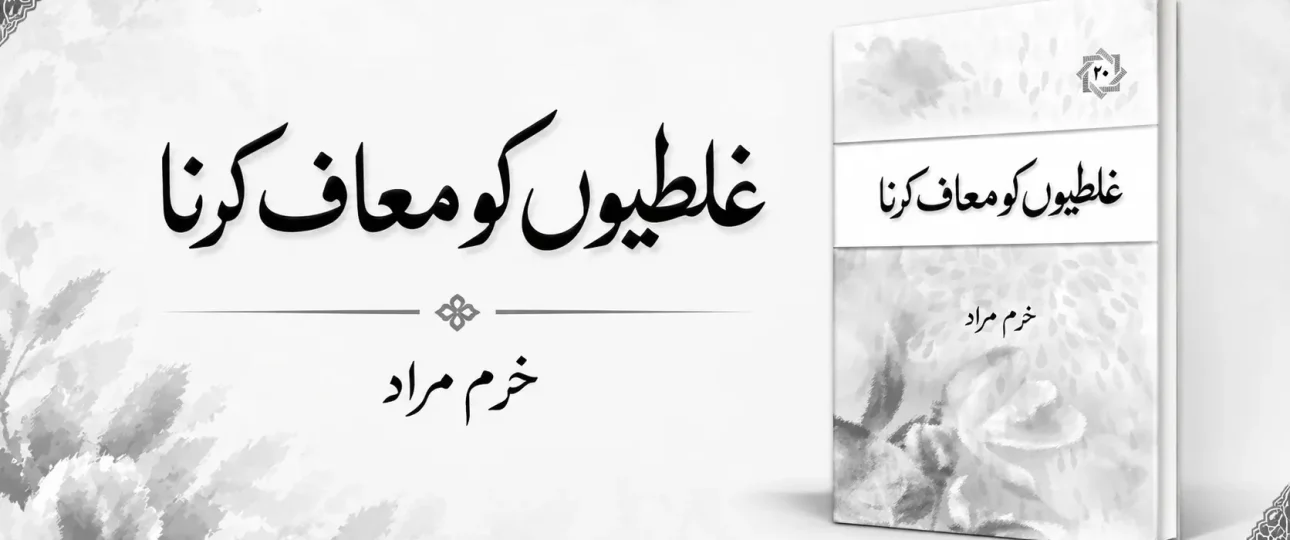
Ghaltiyo Ko Maaf Karna by Khurram Murad
Understanding forgiveness becomes easier when readers reflect on Islamic teachings and the importance of good character in everyday life.
Ghaltiyo Ko Maaf Karna by Khurram Murad is an Urdu booklet related to the subject of forgiving others and overlooking mistakes. It may be a useful reading choice for people who want to reflect further on forgiveness and its place in personal and social relationships.
Readers interested in this topic can consider adding this booklet to their Islamic reading collection.
Book Details:
- Book Name: Ghaltiyo Ko Maaf Karna
- Author: Khurram Murad
- Language: Urdu
- Pages: 24
- ISBN: 978-969-633-113-1
You can find the booklet at Manshurat:
Buy Ghaltiyo Ko Maaf Karna by Khurram Murad.
Frequently Asked Questions
Q1. What does forgiveness mean in Islam?
Forgiveness in Islam means pardoning others, overlooking their mistakes, and avoiding unnecessary revenge when forgiveness is appropriate. It reflects mercy, patience, and good character. Muslims are encouraged to forgive others while also respecting justice and personal rights.
Q2. Why is forgiveness important in Islam?
Forgiveness is important because it encourages kindness, controls anger, and helps maintain peaceful relationships. The Quran praises those who restrain their anger and pardon others. Forgiveness also reminds Muslims of their own need for Allah’s mercy.
Q3. What are the benefits of forgiving others?
Forgiving others can help reduce resentment, strengthen relationships, develop patience, and encourage compassion. It can also prevent minor disagreements from becoming long-term conflicts and support a more peaceful family and social environment.
Q4. How can I forgive someone who has hurt me?
Start by recognizing your feelings and giving yourself time to process what happened. Remember Islamic teachings about forgiveness, make dua for patience, and communicate respectfully when appropriate. You can also establish boundaries if the person’s behavior continues to cause harm.
Q5. Does Islam require us to forgive everyone?
Islam strongly encourages forgiveness, but it also recognizes justice and the rights of people who have been harmed. Forgiveness is a virtuous choice, while seeking justice through appropriate means is also permitted. The right response depends on the circumstances.
Q6. Is forgiveness the same as forgetting someone’s mistakes?
No. Forgiveness and forgetting are different. A person can forgive someone while remembering what happened. Forgiveness means choosing not to hold on to resentment or seek unnecessary revenge; it does not require pretending that the mistake never occurred.
Q7. Can I forgive someone while maintaining distance from them?
Yes. Forgiveness does not automatically mean restoring a relationship or allowing someone to remain close to you. You can forgive a person while maintaining reasonable boundaries, especially when continued interaction may expose you to repeated harm.