People wish to continually self improve and in doing so lead fulfilling lives. People can recognise aspects of themselves that could be improved and there is always further knowledge to gain. Muslims are encouraged within Islam to enhance their morals, increase their faith and improve their lifestyles. Alongside gaining knowledge and engaging in acts of worship, self improvement in Islam can also include making good choices and being good to others. Sincere intentions, combined with constant endeavours and analysis, enable someone to effectively self improve in order to become a better person for Allah.
What Is Self Improvement In Islam?
Individuals can continually strive to enhance their faith and morals in line with Islamic beliefs. Acknowledging areas for improvement and learning from errors are key components of self improvement in Islam. Likewise, it can involve cultivating certain attributes and drawing nearer to Allah. The Quran emphasises the significance of cleansing the soul. It states, ‘He has succeeded who purifies it’ (Surah Ash-Shams 91:9).
Whilst personal development in Islam includes setting personal and career related targets, it also inspires people to improve their morals and to become more patient, truthful, modest and accountable. Muslims are encouraged to periodically analyse their behaviour and pinpoint elements that may be enhanced. With knowledge of Islam, people can then utilise this in order to effectively implement positive lifestyle improvements and further enrich their lives.
Why Is Personal Development Important In Islam?
As well as enabling people to draw nearer to Allah, Islamic personal development can aid someone in becoming a more accountable family member and community member. Alongside enhancing faith, it can therefore also positively affect a person’s behaviour.
Connecting With Allah
An individual’s connection with Allah can act as a source of guidance and purpose. Frequently praying, reciting the Quran and remembering and asking sincerely of Allah can all assist in upholding someone’s faith and ensuring regularity in their worship.
Good Morals
Good morals are highly valued within Islam. Being patient, truthful, good natured, forgiving and modest can all contribute to positive interactions and thus foster a good atmosphere. Moreover, good morals can also enable people to deal with challenging scenarios in a wise manner.
Accountability
Personal development in Islam promotes accountability. Rather than always attributing errors to external factors, people should recognise areas for improvement and aim to rectify these. This is fundamental to Islamic Self Development, and can enable someone to become both more reflective and accountable.
7 Methods Of Self Improvement in Islam
Various small yet continual strategies can be utilised to implement positive lifestyle and moral improvements.
1. Connect With Allah
Place value on your connection with Allah. Frequently pray, recite the Quran and remember Allah. This will not only help to sustain your faith but will also ensure that your focus remains upon what is most crucial.
2. Self Accountable
Analyse your behaviour and decision making. Consider how you have interacted with others, and whether or not you have been accountable. Identifying areas that may be enhanced will subsequently allow you to choose more effectively in future.
3. Establish Good Lifestyle Habits
Form a lifestyle that is conducive to your personal and spiritual development. Effectively organise your time and minimise non-essential distractions. Include within your schedule activities that will be advantageous. Steady lifestyle habits can in turn progressively improve an individual’s accountability and behaviour.
4. Refer To The Quran And Sunnah
Both the Quran and Sunnah offer advice on numerous facets of life. Frequently consulting these resources and endeavouring to base your decisions upon their teachings can be hugely valuable. Having awareness of Islamic concepts enables people to discern which actions are favourable and which are not.
5. Be Patient And Accountable
Develop the ability to regulate your anger and refrain from allowing yourself to react rashly. Likewise, you should be able to handle challenging situations in a composed manner. Islam stresses the value of patience and advises Muslims on how to handle their emotions. Demonstrating accountability can in addition enhance interpersonal connections and morals.
6. Behave Well Toward Others
Interact with family, friends, neighbours and work colleagues in a good natured and respectful manner. Be truthful, honour your commitments and show appropriate forgiveness. Furthermore, ensure that your speech and behaviour does not adversely affect others. These are key components of Islamic Character Building.
7. Continually Strive For Improvement
Whilst it is unlikely that people can immediately alter all of their behaviours, it is important to set achievable targets for self improvement in Islam. Acknowledge your achievements and continuously strive to further enhance yourself. Sincerely held intentions, alongside accountability and patience can therefore assist in successfully instigating enduring positive improvements.
Self Accountability And Islamic Personal Development
Self Accountability in Islam facilitates an understanding of an individual’s behaviour and enables them to be accountable for it. Muslims should frequently analyse their decision making and identify both recurring errors and elements that could be enhanced. The Quran urges people to do this, stating in Surah Al-Hashr (59:18) that we should contemplate our future planning.
Self Accountability in Islam does not entail perpetual negative self analysis. Rather, it comprises analysing errors so that they may be learnt from and then sincerely endeavouring to amend behaviour. Through genuine self analysis, people can identify areas requiring enhancement and so both make superior decisions and boost their self accountability in Islam.
The Contribution Of Islamic Books To Self Improvement
Books can be a rich resource for gaining knowledge relating to faith, morals and both personal and general life. People can consult the works of learned Islamic figures in order to further comprehend Islamic teachings and to utilise this information. In particular, books concerning Tarbiyat in Islam can be highly beneficial for those wishing to enhance their morals, further their self accountability in islam and connect more effectively with Allah. Frequently reading is also an effective way to analyse information and inspire people to utilise favourable knowledge in a positive manner.
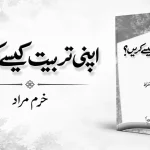
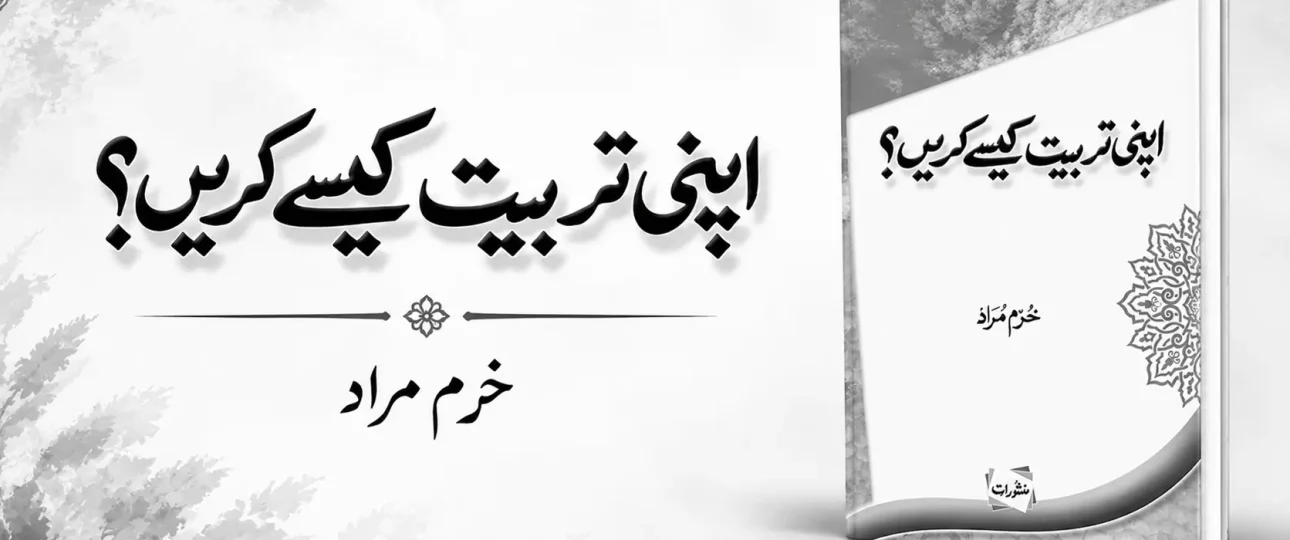
Apni Tarbiyat Kaisay Karein – Khurram Murad
Those wishing to further their understanding of personal development in Islam can refer to Khurram Murad’s Apni Tarbiyat Kaisay Karein , which can be found on Manshurat. This 48 page book outlines the significance of self improvement in Islam and describes how to effectively self develop in accordance with Islamic values.
The Significance Of Self Improvement in Islam
Whilst having good intentions is essential, it is also crucial that people recognise aspects of themselves that require enhancement. They should then strive to implement positive alterations to their lives. As with the principle of Tarbiyat, Muslims are encouraged within personal development in Islam as an on-going task.
Analysing And Eliminating Faults
It is important that people analyse their faults as this can then facilitate moral enhancement. To further investigate this area, those wishing to do so can consult Khurram Murad’s Apni Tarbiyat Kaisay Karein .
This booklet is available within the ‘Islamic Booklets’ section of Manshurat’s website. Further information regarding both the book and its author can be accessed via the product page.
Investigate Khurram Murad’s Apni Tarbiyat Kaisay Karein and utilise this as an important resource in your Islamic personal development.
Conclusion
Good intentions, continual endeavours and willingness to analyse and learn from errors are all integral to successful self improvement in Islam. Enhancing one’s faith, establishing good lifestyle habits, self accounting and being good to others can all further personal development. Although knowledge of Islam can guide an individual, it is the application of this knowledge within daily life that can truly make a difference. Continue to endeavour to improve your morals and connection with Allah, and bear in mind that personal development in Islam is a continuing process.